



How to Paint Furniture: The One Essential Step for Perfect, Long-Lasting Results in Australia
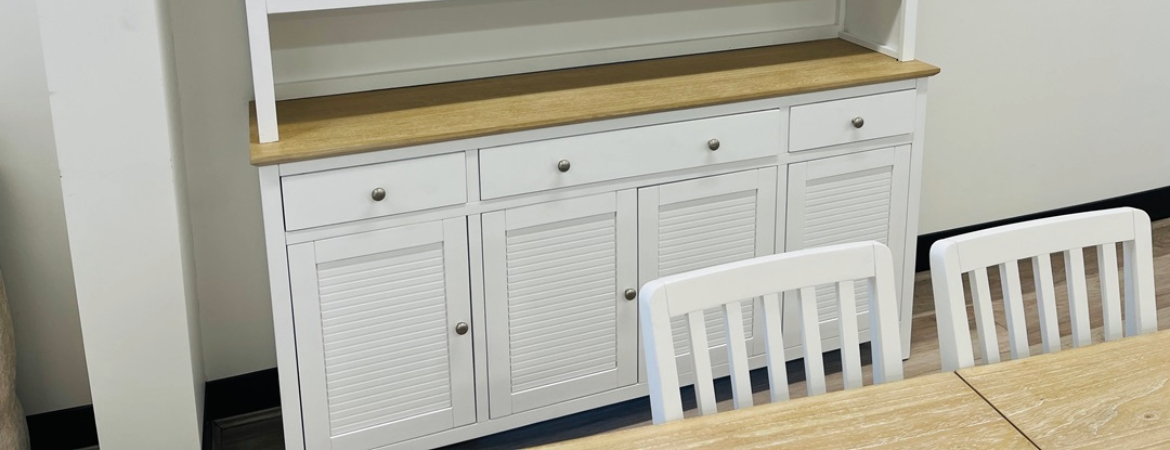
Painting furniture is an effective, budget-friendly way to refresh your home decor and bring character to any room. For many Australians, especially those passionate about DIY projects, painting furniture opens a world of creative possibilities. Yet, one often overlooked aspect determines the success or failure of your paint job: surface preparation. Mastering this detail will elevate your project from amateur to professional finish.
This comprehensive guide unpacks every step of painting furniture with particular attention to the Australian environment and lifestyle, ensuring you can confidently transform your furniture into statement pieces that last.
Why Paint Furniture?
Before diving into the how-to, consider why painting furniture is a top choice for many:
- Cost-effective alternative to buying new furniture.
- Sustainable by giving old pieces a new lease on life.
- Customisable colours and finishes suited to your unique style.
- Fun and rewarding as a creative home project.
The One Detail That Matters Most: Surface Preparation
Whether you’re painting a vintage dining table or a simple side table, proper surface preparation forms the foundation of your project. Without adequate sanding, cleaning, and priming, paint will struggle to adhere, peel prematurely, or reveal imperfections, no matter how many coats you apply.
Here’s why surface prep matters:
- Adhesion: Paint bonds better to a clean and sanded surface.
- Durability: Preparation prevents staining and chipping.
- Smooth Finish: Sanding removes old finishes and smoothens wood grain.
- Longevity: Ensures results stay looking fresh for years.
Step 1: Gathering Your Materials and Setting Up Your Workspace
Before starting, make sure you have all the necessary tools and materials on hand:
- Sandpaper (different grits: 120, 180, 220)
- Cleaning agent (mild detergent or sugar soap)
- Wood filler or putty
- Primer (suitable for timber or laminate)
- Paint (water-based or oil-based)
- Brushes, rollers, or spray equipment
- Painter’s tape
- Drop cloths or old sheets
- Protective gloves and mask
Choose a workspace that is:
- Well-ventilated to avoid paint fume buildup.
- Clean with minimal dust, as dust can ruin a wet paint finish.
- Covered or sheltered if outdoors, to avoid dust and sudden rain.
Step 2: Cleaning Your Furniture
Cleaning is the first active step and ensures all dirt, grease, and oils are removed. Oils and grime prevent primers and paint from sticking properly.
- Use warm water mixed with mild detergent or a sugar soap solution.
- Wipe the furniture with a sponge or cloth.
- For greasy spots, use a degreaser suitable for wood.
- Dry the piece thoroughly with a clean cloth.
Skipping or rushing cleaning will interfere with paint adhesion, especially in Australian homes where oils and dust can accumulate quickly.
Step 3: Removing Hardware and Disassembling Parts
Taking off hardware such as knobs, handles, and hinges allows you to paint edges and corners smoothly. If possible, disassemble larger parts such as drawers to paint more evenly, preventing paint buildup on hinges.
Store all hardware safely and label small pieces to make reassembly easier.
Step 4: Sanding – The Most Critical Preparation Step
Sanding is the cornerstone of surface prep for any furniture painting.
- Start sanding with medium grit (120) to remove glossy surfaces and old paint layers.
- Smooth edges and corners, ensuring uniform texture.
- Progressively finish with finer grit (220) for smoothness.
- Wipe off sanding dust regularly with a tack cloth or damp rag.
Tip: For laminate or veneered furniture (common in many Australian homes), light sanding or using a primer designed for glossy surfaces is recommended instead of heavy sanding that could damage veneer.
Step 5: Repairing Imperfections
Look closely for cracks, holes, and dents.
- Use wood filler to fill small holes or gouges.
- For deep cracks, consider woodworking putty or professional repairs.
- Let the filler dry fully as per the product instructions (usually a few hours).
- Sand the repaired areas smooth to blend with the rest of the surface.
Step 6: Applying Primer
Primer ensures uniform coverage, seals porous wood, and offers better adhesion for your paint.
- Choose a primer suitable for your furniture material: timber, laminate, or metal.
- Apply evenly with a brush or roller, covering all visible areas.
- Avoid thick coats, which can drip or bubble.
- Let the primer dry completely, which may take between 1–4 hours depending on temperature and humidity.
In Australian climates, drying time may vary, so be patient to avoid trapping moisture under the paint.
Understanding Australian Paint Options for Furniture
Choosing the right paint type affects the finish, durability, and maintenance.
| Paint Type | Pros | Cons | Best For |
| Water-based acrylic | Low VOC, fast drying, easy cleanup, less odour | Less durable than oil-based, may need more coats | Indoor furniture in well-ventilated rooms |
| Oil-based | Durable, smooth finish, resistant to stains/scratches | Longer drying time, strong odour, harder cleanup | Furniture subjected to heavy use (e.g. kitchen chairs) |
| Chalk paint | Matte vintage look, minimal prep needed | Needs sealing to protect | Decorative furniture or shabby chic styles |
Step 7: Painting Your Furniture
Now for the enjoyable part, applying the paint.
- Stir your paint gently to ensure even colour and consistency.
- Use quality brushes with synthetic bristles for water-based paints and natural bristles for oil-based paints.
- Alternatively, foam rollers provide a smooth finish on flat surfaces.
- Apply thin, even coats. Avoid overloading the brush to prevent drips.
- Brush or roll in the direction of the wood grain for timber pieces.
- Allow each coat to dry thoroughly before applying the next (usually 2-4 hours for water-based paints).
- Lightly sand with 220-grit between coats to remove imperfections.
- Multiple thin coats produce a more professional finish compared to a single thick coat.
Special Techniques for Challenging Surfaces
- Laminate furniture: Light sanding plus an adhesion primer is essential.
- Outdoor furniture: Use outdoor-grade paint and sealants to withstand Australian weather extremes.
- Intricate details: Use small brushes to reach crevices or consider spray painting for even coverage.
Step 8: Finishing Touches: Protecting Your Work
For durability, protect painted furniture with a clear topcoat:
| Finish Type | Characteristics | Application Tips |
| Polyurethane | Hard-wearing, resistant to moisture | Apply 2-3 thin coats, sanding between |
| Wax | Soft sheen, natural finish | Buff to shine, reapply occasionally |
| Varnish | Glossy or satin finish | Adds colour depth, good outdoors |
These finishes preserve your furniture from scratches, spills, and fading while enhancing the paint’s longevity.
Common Painting Mistakes to Avoid
| Mistake | Impact | How to Avoid |
| Skipping sanding | Peeling, uneven paint | Always sand thoroughly |
| Painting without primer | Poor adhesion, blotchy finish | Use an appropriate primer every time |
| Applying thick coats | Drips and uneven texture | Thin coats and multiple layers |
| Ignoring weather | Blistered paint, slow drying | Paint in mild, dry weather |
Tips for Australian Climate Considerations
Australian homes can experience hot summers, humidity, and dust storms, which influence your painting outcomes.
- Avoid painting during extreme heat (above 30°C) or high humidity (>70%).
- Work in well-ventilated, dust-protected areas.
- Store paint and primers in cool, dry places.
Budgeting Your Furniture Painting Project
Estimating costs helps plan your project without surprises.
- Paint and primer: $40–$100, depending on quality and quantity.
- Sandpaper and filler: $10–$30.
- Brushes and rollers: $10–$50.
- Protective gear (mask, gloves): $10–$20.
Remember, the time invested in preparation reduces the chance of costly repainting down the line.
Alternative to Painting: Factory Seconds Furniture
For those who want new furniture but are on a budget, factory seconds are an excellent option.
- Factory seconds are items with minor cosmetic defects or overstock sold at discounts.
- They offer quality furniture without retail markups.
- Many Australian stores and online platforms sell factory seconds suitable for freshening your space affordably.
- A good alternative if your furniture is beyond repair or if time constraints limit DIY projects.
Painting furniture is an accessible project that combines creativity, skill, and a touch of patience. The key takeaway is the importance of taking time to prepare the surface correctly. Proper cleaning, sanding, and priming pave the way for paint to adhere well, resulting in a finish that is both beautiful and durable.
This guide equips Australians with the practical knowledge to navigate the process confidently, taking into account local materials, climate, and style preferences. And if painting isn’t the right fit, exploring factory seconds furniture provides another cost-effective pathway to stylish home living.